
Jun 26, 2026News & Insights
Why Do Yoga Clothes Look the Same but Feel So Different When Worn?
After years working in yoga wear development, sample production, and activewear manufacturing, one thing becomes clear: The real wearing experience of yoga clothing is rarely determined by appearance.
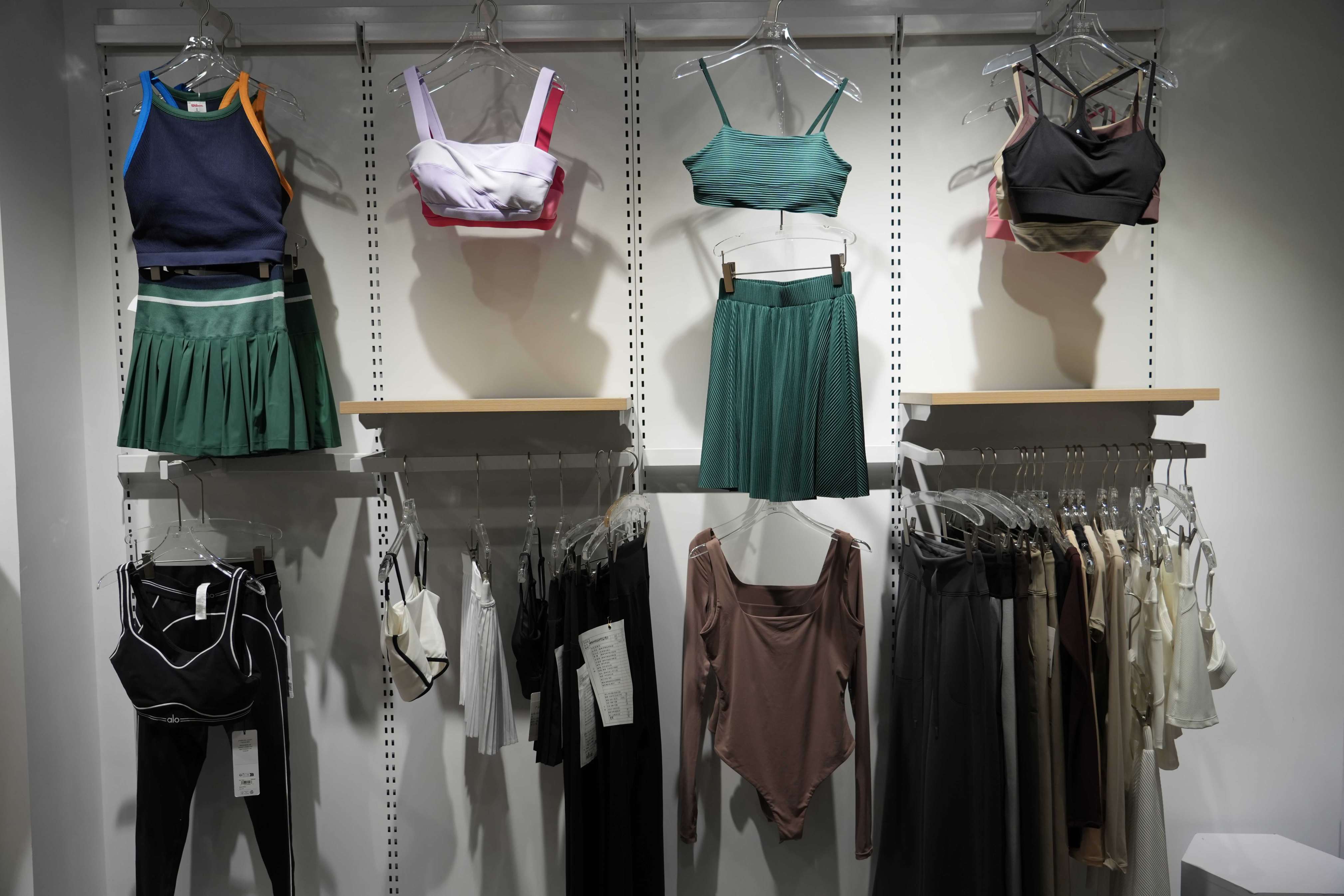
When shopping for yoga wear or activewear, many people notice something confusing.
Two pairs of yoga leggings may look almost identical.
Both claim to be made of nylon and spandex.
Both appear smooth, stretchy, and stylish.
Yet once you wear them during a workout, the experience can be completely different.
Some leggings feel:
- Soft and supportive
- Lightweight and breathable
- Comfortable during squats, stretches, and yoga poses
Others feel:
- Tight or restrictive
- Stuffy and uncomfortable
- Prone to rolling waistbands or skin irritation
So why does this happen?
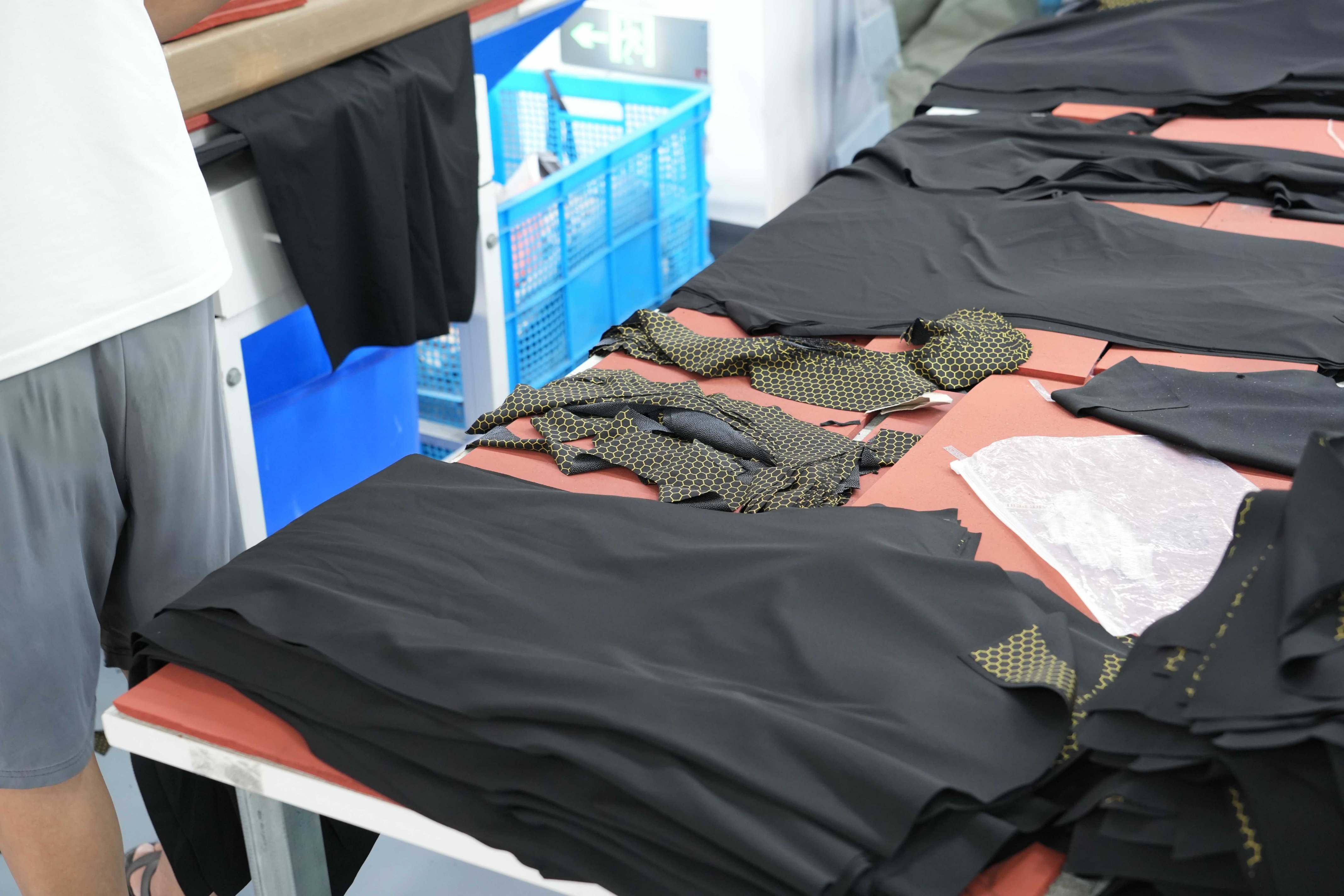
After years working in yoga wear development, sample production, and activewear manufacturing, one thing becomes clear:
The real wearing experience of yoga clothing is rarely determined by appearance.
The factors that matter most are often hidden in the technical details.
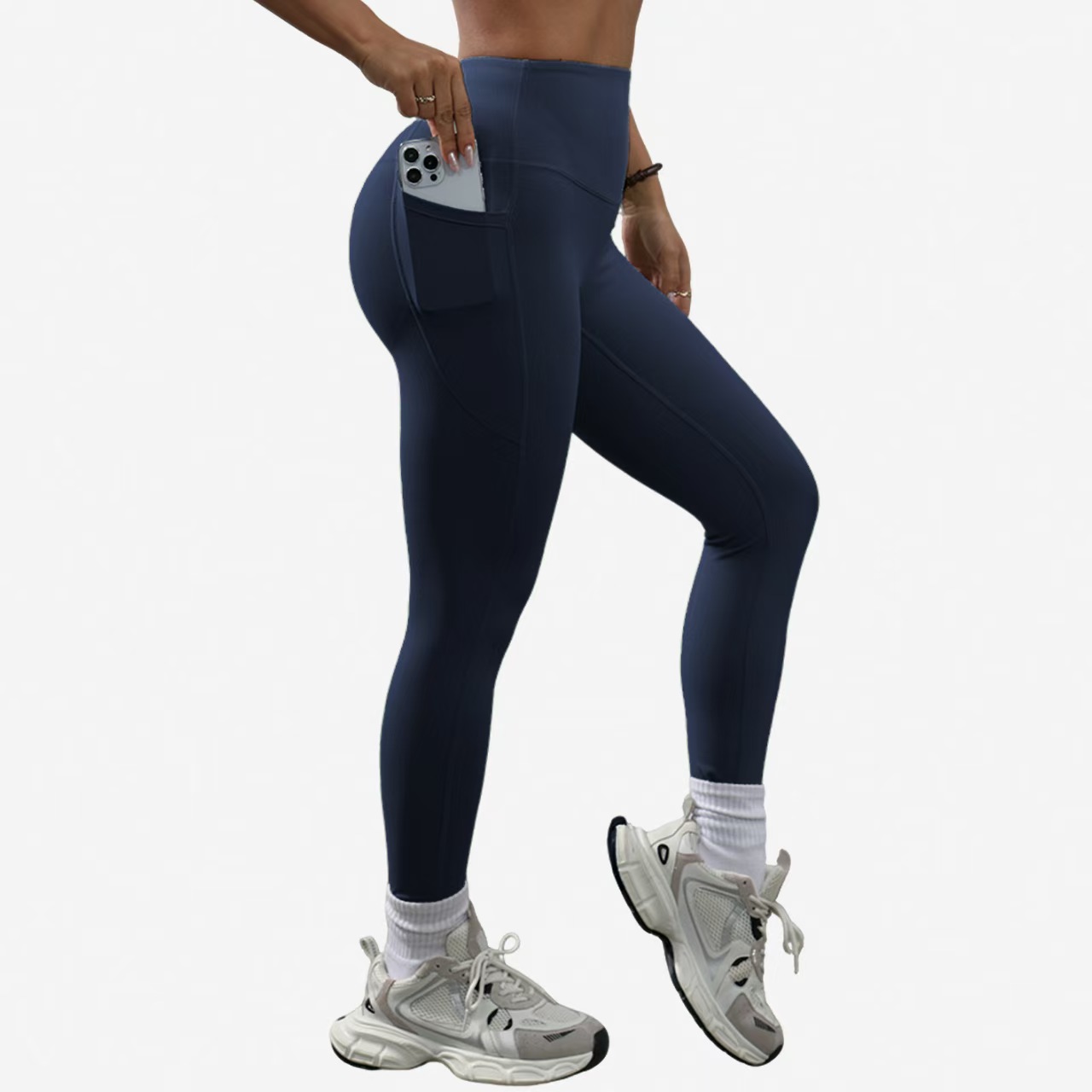
1. Fabric Composition Does Not Mean Fabric Quality
Many brands assume that if two fabrics share the same composition, they will perform the same.
For example:
75% Nylon + 25% Spandex
However, in activewear fabric development, the composition is only the starting point.
The real differences come from:
- Yarn quality and grade
- Knitting density
- Fabric weight (GSM)
- Stretch recovery rate
- Finishing processes
Two fabrics with the same composition can behave very differently during exercise.
Some fabrics may be:
- Highly elastic but lacking support
- Soft but prone to deformation
- Smooth but not breathable
High-quality yoga leggings fabric needs to balance several key factors:
- Elasticity
- Breathability
- Support
- Durability
The goal is not just to make the fabric look premium, but to make it perform well during movement.
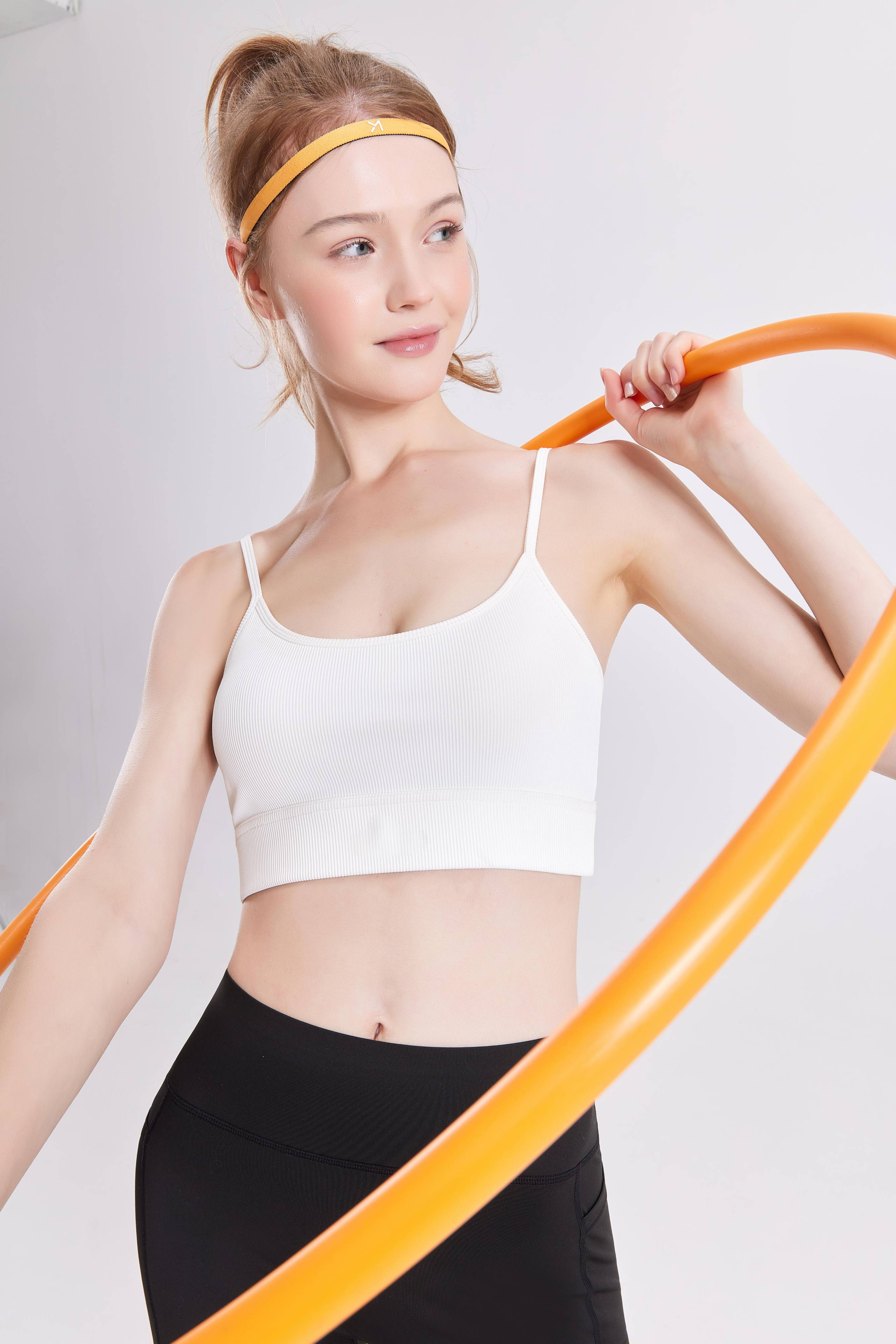
2. Fit Is the Invisible Core of Comfortable Yoga Wear
Another common misconception in activewear design is:
“As long as the size is correct, the garment will fit well.”
In reality, fit development is one of the most complex parts of creating good yoga clothing.
Several subtle design details determine whether a garment feels comfortable during movement.
Waistband Design
- Is the waistband height balanced between the front and back?
- Does it follow the natural curve of the spine?
- Does it stay in place during squats and stretches?
Crotch Structure
In yoga leggings manufacturing, crotch construction directly affects mobility.
A poorly designed crotch area can cause:
- Restriction during squats
- Uncomfortable pulling
- Fabric stress during stretching
Leg Shape Transition
The transition between:
- thigh circumference
- knee circumference
affects whether leggings move naturally with the body.
Sports Bra Support
For yoga bras or sports bras, the challenge is balancing:
- support
- comfort
- breathability
A well-designed activewear garment should feel almost “invisible” during movement.
When the fit is right, you barely notice the clothing while practicing yoga or exercising.
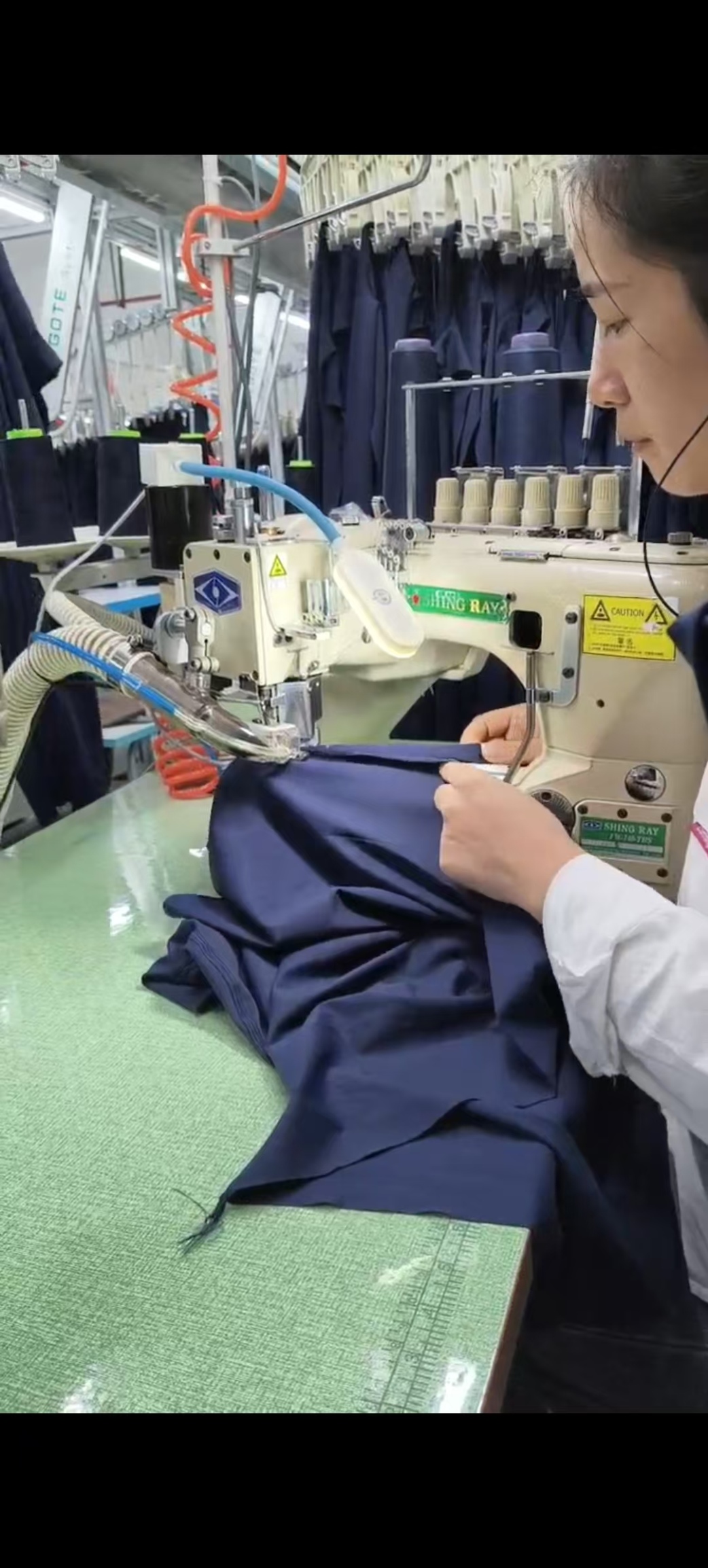
3. Manufacturing Details Affect Comfort During Movement
Unlike regular clothing, yoga clothes and fitness wear are worn during constant movement.
This means small manufacturing issues can quickly become noticeable.
Some examples include:
Stitching Quality
Poor stitching may cause:
- skin irritation
- friction during workouts
Bonding and Adhesive Placement
Incorrect bonding positions can create discomfort during stretching movements.
Seam Symmetry
Uneven seams may affect garment positioning when the body moves.
Heat Seal Thickness
If heat-sealed labels or seams are too thick, they may feel uncomfortable once the wearer begins sweating.
These are details that often cannot be fully detected during static fitting.
They usually become obvious only during real workout conditions.
4. Sample Quality Does Not Always Guarantee Bulk Production Quality
One of the most common problems in activewear manufacturing occurs between the sample stage and mass production.
A sample garment may feel perfect.
However, during bulk production, several factors can change the final wearing experience.
For example:
- Fabric batch differences
- Changes in thread thickness or quality
- Slight deviations in key measurements
- Inconsistent execution of technical details
If critical fit points and production standards are not clearly defined during the sampling stage, brands may encounter a situation where:
The garments look identical — but feel completely different when worn.
This is why experienced manufacturers focus heavily on sample testing and production control.
5. Great Yoga Wear Is a Systematic Result
In the end, the comfort of yoga clothing and activewear is never determined by a single factor.
Instead, it is the result of multiple elements working together:
- Fabric quality
- Fit development
- Manufacturing techniques
- Communication between brand and factory
- Production quality control
Because of this, developing high-quality yoga leggings, sports bras, and activewear requires more than just attractive designs.
It requires technical understanding and careful production management throughout the entire process.
Final Thoughts
If you are building a yoga wear brand or activewear collection, one thing is worth remembering.
Consumers may not always be able to explain exactly why a product feels uncomfortable.
But their bodies will notice.
And in the long run, the wearing experience is what determines whether customers come back to buy again.
In the highly competitive activewear market, comfort and performance are often the true factors that build long-term brand loyalty.