
Jun 26, 2026News & Insights
Same Fabric Composition, Completely Different Feel — Why?
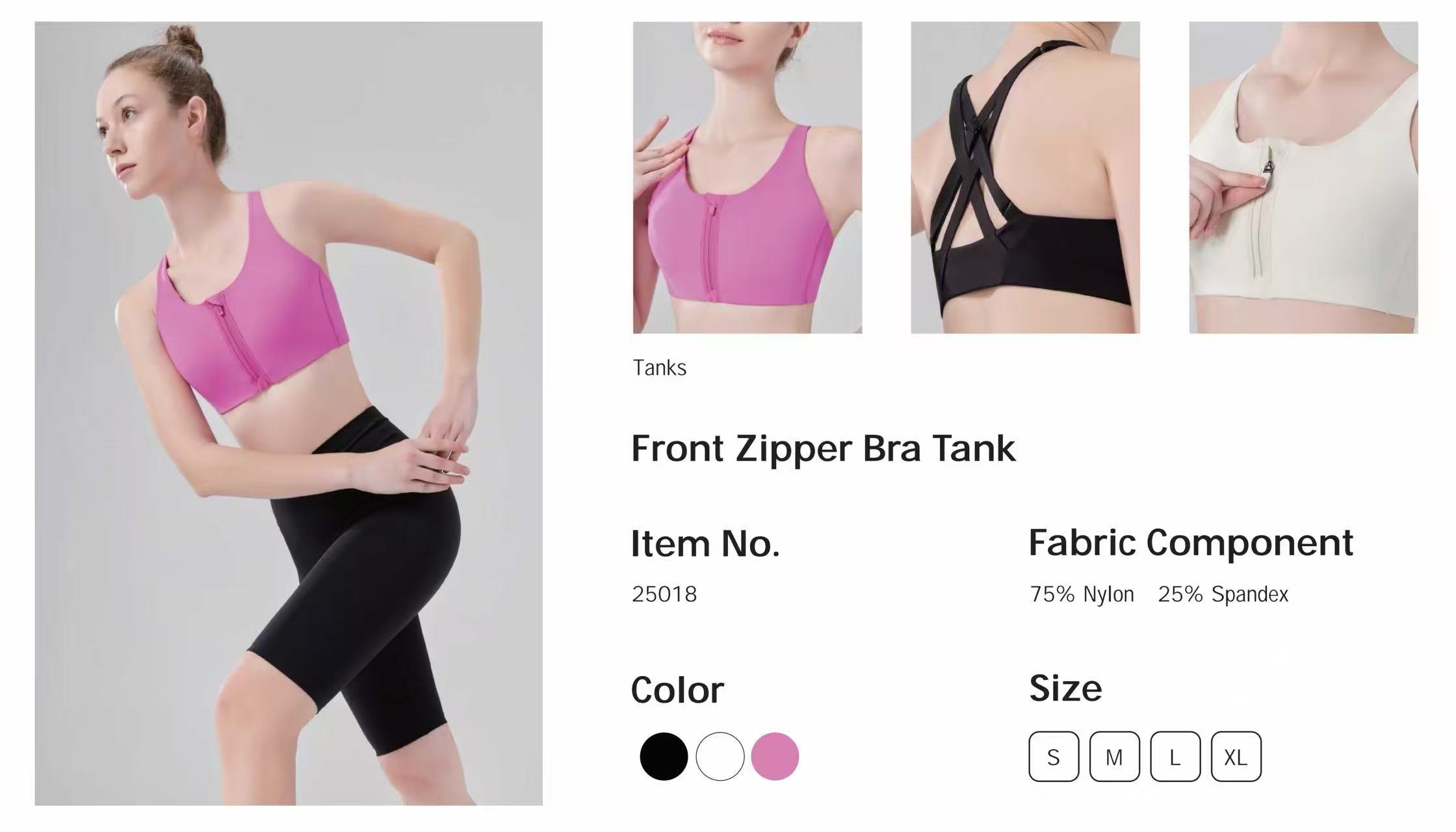
Many people believe:
If two fabrics have the same composition, they should feel the same.
For example:
• 80% Nylon + 20% Spandex
• 80% Nylon + 20% Spandex
On paper, they look identical.
But when you touch them — or wear them — the difference can be surprisingly obvious.
One fabric may feel soft, smooth, and supportive.
The other might feel dry, stiff, or less stable.
Minimize imageEdit imageDelete image

So what actually causes the difference?
The answer is simple:
Fabric composition only tells part of the story.
Fabric Composition Is Just the Starting Point
When you read a garment label, the composition simply tells you which fibers are used.
For example:
• nylon or polyester
• spandex or elastane
• the percentage of each fiber
But this information does not tell you:
• how the fabric stretches
• how quickly it recovers
• whether it feels breathable
• how it behaves during movement
In activewear development, these performance details matter far more than the composition itself.

Yarn Quality Changes Everything
Even with identical fiber content, the yarn quality can vary dramatically.
Take nylon yarn as an example.
It can be produced as:
• standard yarn
• high-tenacity yarn
• micro-denier yarn
• multi-filament yarn
Each type offers different characteristics in terms of:
• softness
• strength
• smoothness
• moisture management
This is why two fabrics with the same composition can feel completely different to the touch.
The yarn is the foundation of the fabric’s personality.
Fabric Structure Shapes How It Feels on the Body


For yoga wear and activewear, knitting structure plays a major role in comfort and performance.
Even with the same nylon-spandex composition, fabrics can be constructed in different ways:
• single jersey
• rib knit
• jacquard structures
• high-density interlock
Each structure distributes stretch and pressure differently across the body.
As a result, the fabric may feel:
• more supportive
• more compressive
• softer and more flexible
• or more structured
This is why some leggings feel extremely supportive while others feel lighter and more relaxed.
Dyeing and Finishing Define Fabric Stability
Another critical factor is dyeing and finishing technology.
These processes directly influence:
• elasticity recovery
• surface smoothness
• wrinkle resistance
• fabric stability after washing
Two fabrics may start with the same yarn and knitting structure, but different finishing processes can create very different final results.
This is also why brands sometimes experience this situation:
The development sample feels perfect.
But bulk production fabric behaves differently.
In many cases, the finishing process is the reason.
Same GSM Does Not Mean the Same Fabric
Another common misunderstanding is fabric weight.
Many people assume:
If the GSM is the same, the fabrics should perform the same.
But GSM only measures weight per square meter.
It does not reveal:
• fabric density
• air permeability
• stretch resistance
• elasticity recovery speed
Two fabrics with identical GSM can still feel dramatically different during wear.
One may feel light and breathable.
Another may feel dense and heavy.
Fabric Comfort Is a System
In yoga wear development, wearing comfort is never determined by a single factor.
It is the result of multiple elements working together:
• yarn quality
• knitting structure
• dyeing and finishing
• fabric density
• elasticity performance
These layers combine to create the moment when someone puts on a pair of leggings and thinks:
“This feels amazing.”
That moment is not accidental.
It is carefully engineered.
Final Thoughts
When selecting fabrics for yoga wear or activewear, relying only on composition can easily lead to misunderstandings.
Two fabrics with identical labels may behave very differently in real use.
A more reliable development process usually includes:
• wear testing
• stretch testing
• recovery testing
• wash durability evaluation

For each order, we need to conduct the color fastness test every time during the inspection process.
Because fabric should be treated as a performance system worn on the body, not simply a line of technical specifications.
If you're developing activewear or yoga wear products, fabric structure and development play a huge role in how the final product performs.
Small technical differences in fabrics often determine whether a product feels ordinary — or exceptional.
Happy to exchange ideas about:
• yoga wear fabric development
• nylon spandex fabric selection
• sports bra material systems
• activewear manufacturing
Feel free to connect or start a conversation.