Jun 26, 2026News & Insights
The Art of Unpicking: Why We Choose the Hard Way for Quality
In our workshop, every process is followed by a rigorous inspection. Over time, this has fostered a collective habit: we don't just "make" clothes;
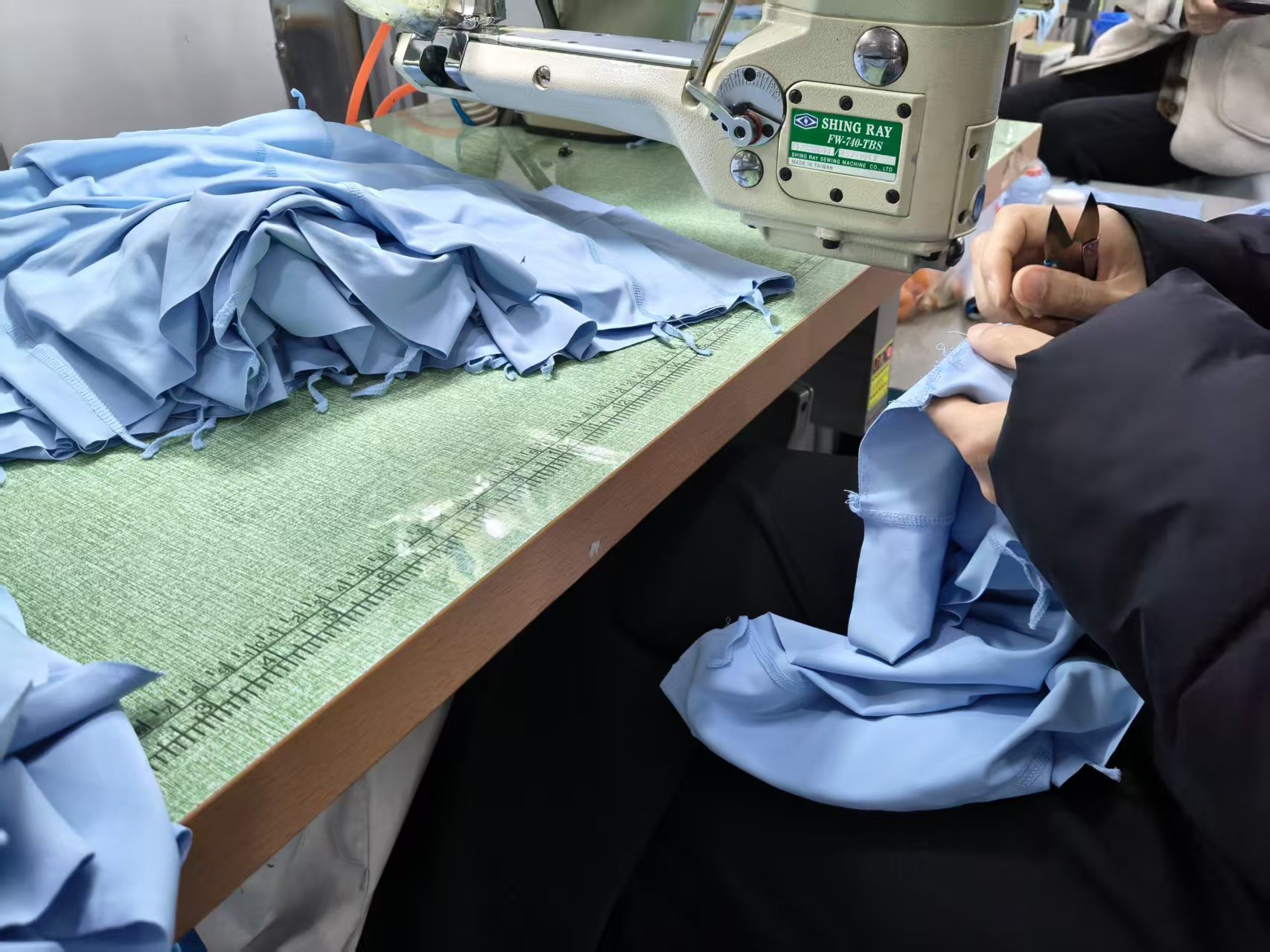
Today in our workshop, I witnessed a scene that reminded me of the true meaning of craftsmanship. One of our managers was meticulously unpicking a stack of semi-finished garment pieces.
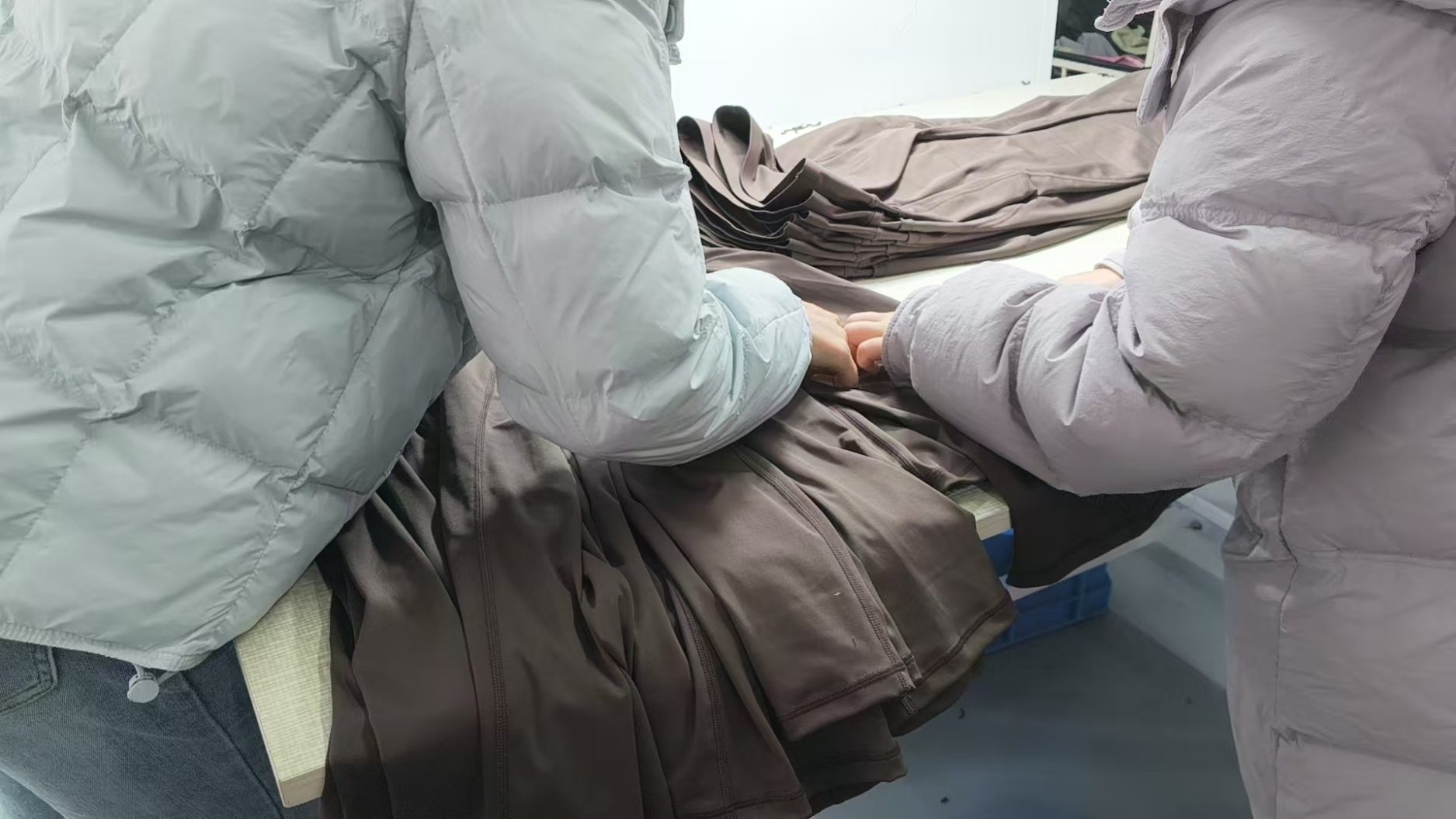
The reason? A worker had accidentally reversed the fabric's front and back sides. The difference was so subtle that most would have overlooked it. I offered to help, but the manager politely declined, fearing I might damage the delicate fabric. It hit me then: Unpicking is not just labor; it is a skill in itself.
In a streamlined production line, such errors are rare due to our multi-layered QC checks. But seeing this today, I felt it was a vital lesson to share.
When faced with a "near-invisible" mistake, a factory usually has two choices:
1. "It’s a minor issue; let’s just finish the batch."(After all, unpicking takes more time than sewing and risks damaging the material.)
2. "Unpick it."** (Start over to ensure perfection.)
At Mijawear, we always choose the second path.
Anyone in the garment industry knows that unpicking is far more tedious than sewing. It doubles the time and increases labor costs. But our team understands one fundamental truth: This garment will eventually end up in the customer's hands.
If we don't unpick it now, and the customer discovers the flaw later, we lose far more than a few pieces of clothing—we lose the trust we’ve built over the past 12 years.
In manufacturing, no one can claim to be perfect. Machines drift, and humans have lapses. The real difference lies not in the absence of problems, but in the willingness to find them and the courage to fix them.
In our workshop, every process is followed by a rigorous inspection. Over time, this has fostered a collective habit: we don't just "make" clothes; we ensure that every piece passing through our hands is the best it can be.
Knowing how to sew is a skill; knowing how to unpick is a responsibility.
We believe that true quality is hidden in the details you cannot see. It settles over time and is eventually felt by the person wearing the garment.
How does your team handle the 'invisible' mistakes? I’d love to hear your thoughts on quality vs. speed.