
Jun 26, 2026News & Insights
Why can't many clothing factories deliver goods on time? How did we solve this problem?
Behind every stable delivery date is not luck, but a well-organized production system. When factories truly understand the rhythm of different orders, reliability becomes possible.
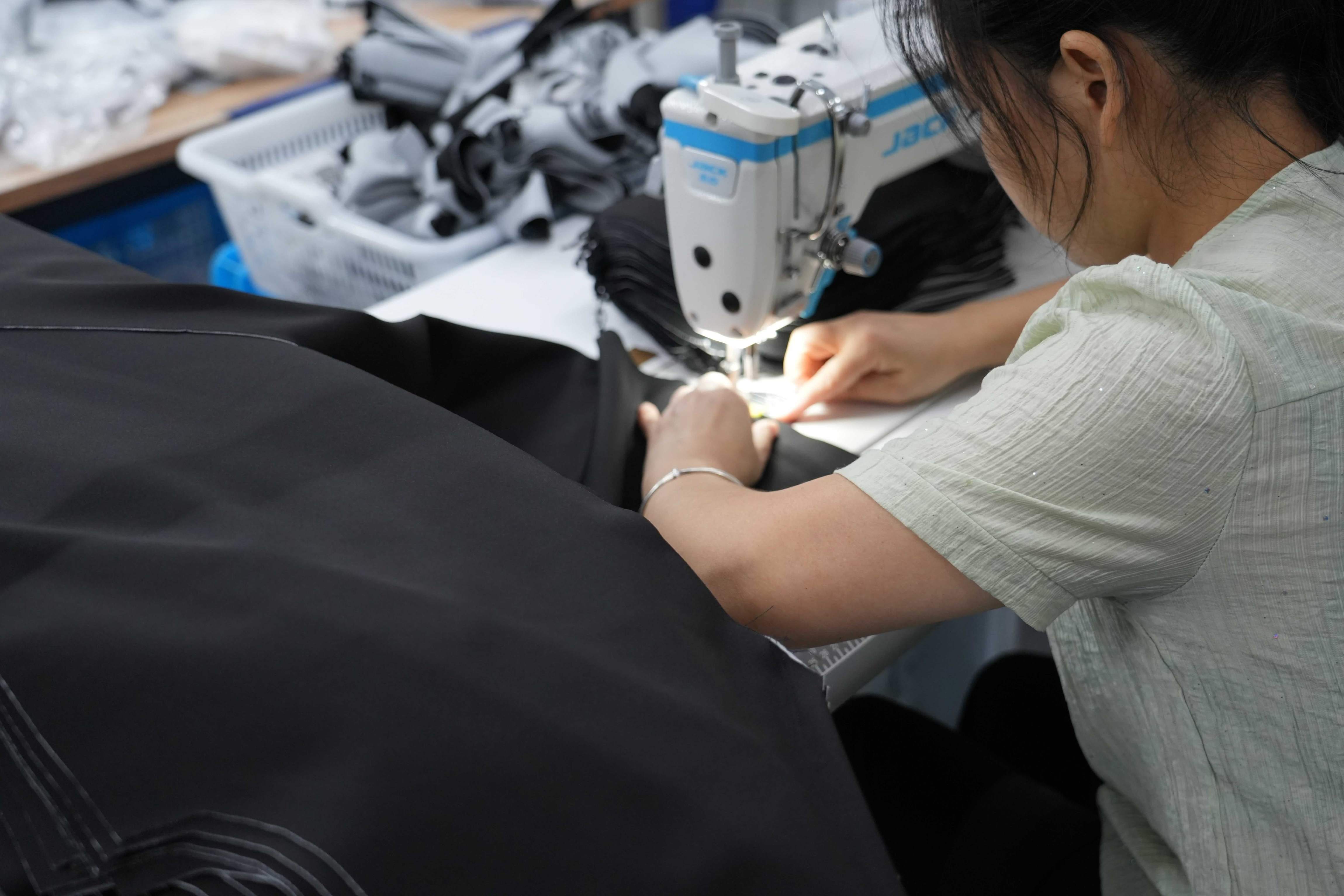
Why can't many clothing factories deliver goods on time? How did we solve this problem?
After working in the clothing industry for a long time, one interesting phenomenon becomes apparent.
When many brands are looking for factories, the primary concern is the price.
However, after cooperating for a certain period of time, what everyone pays more attention to has changed:
Delivery date.
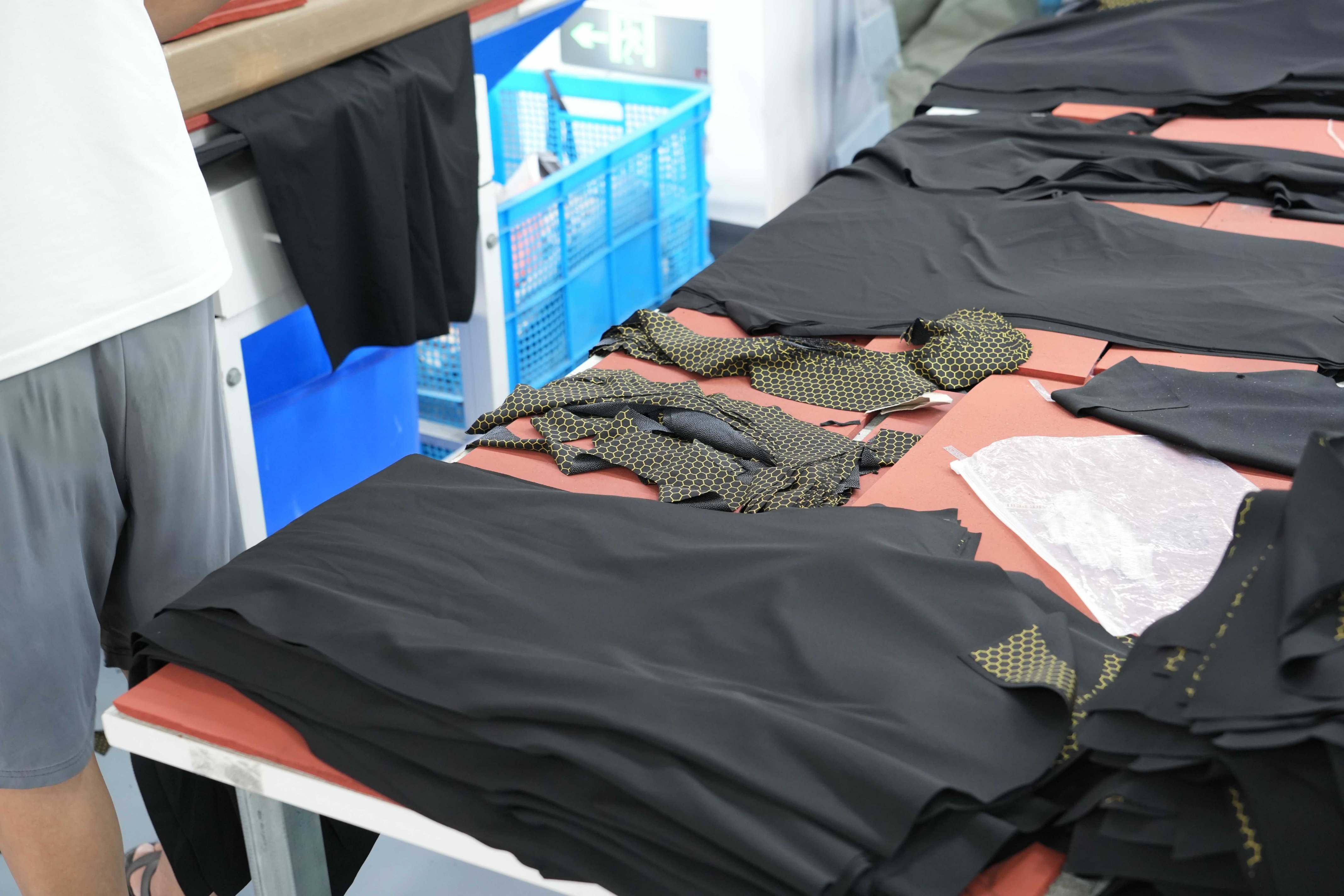
The sample production stage went smoothly.
However, once the mass production began, problems started to arise.
Some orders were placed out of sequence, some production schedules were chaotic, and some styles suddenly had no one proficient in handling them.
The final result is:
The delivery date keeps being postponed.
In fact, quite often, it's not that the workers are not working hard, but rather there is a problem with the production organization.
Over the past few years, we have made several adjustments within the factory, and the core objective remains the same:
Enable different types of orders to have their own suitable production schedules.
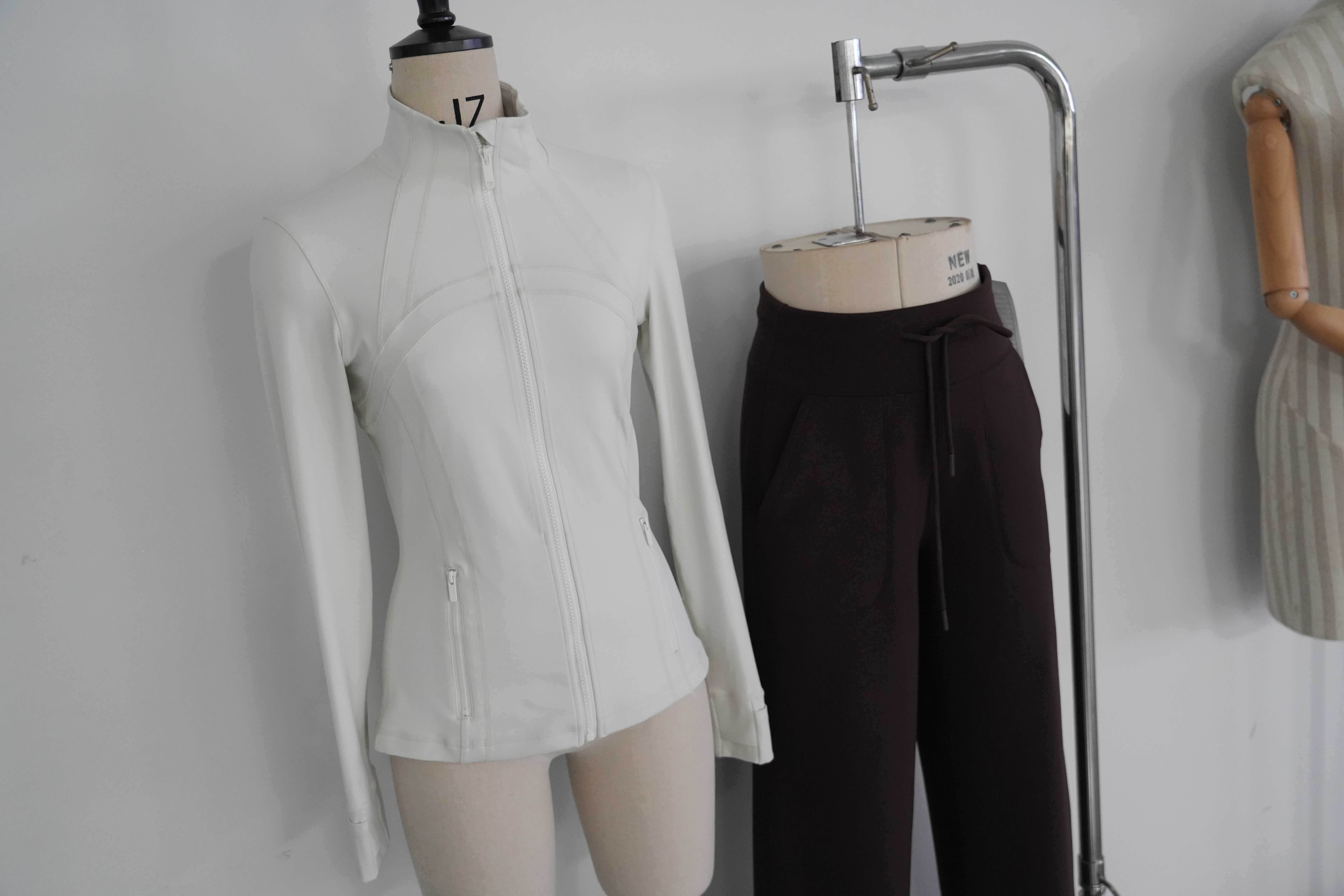
1. Quick Response for Small Orders: Specialized "Premium Team" established
For example:
First, do 300 pcs.
Test the market feedback.
Then decide whether to place an additional order.
If such orders were placed on a traditional assembly line, they would easily be pushed aside by large-scale production.
So we specifically established a "Premium Team".
This group is solely responsible for:
- Small batch orders
- New test sheet
- Quick order processing
To ensure efficiency, we offer the team leaders a stable guaranteed salary to prevent the work from being affected by fluctuations in the order quantity. For each production order, the production time is calculated backward based on the customer's target delivery date.
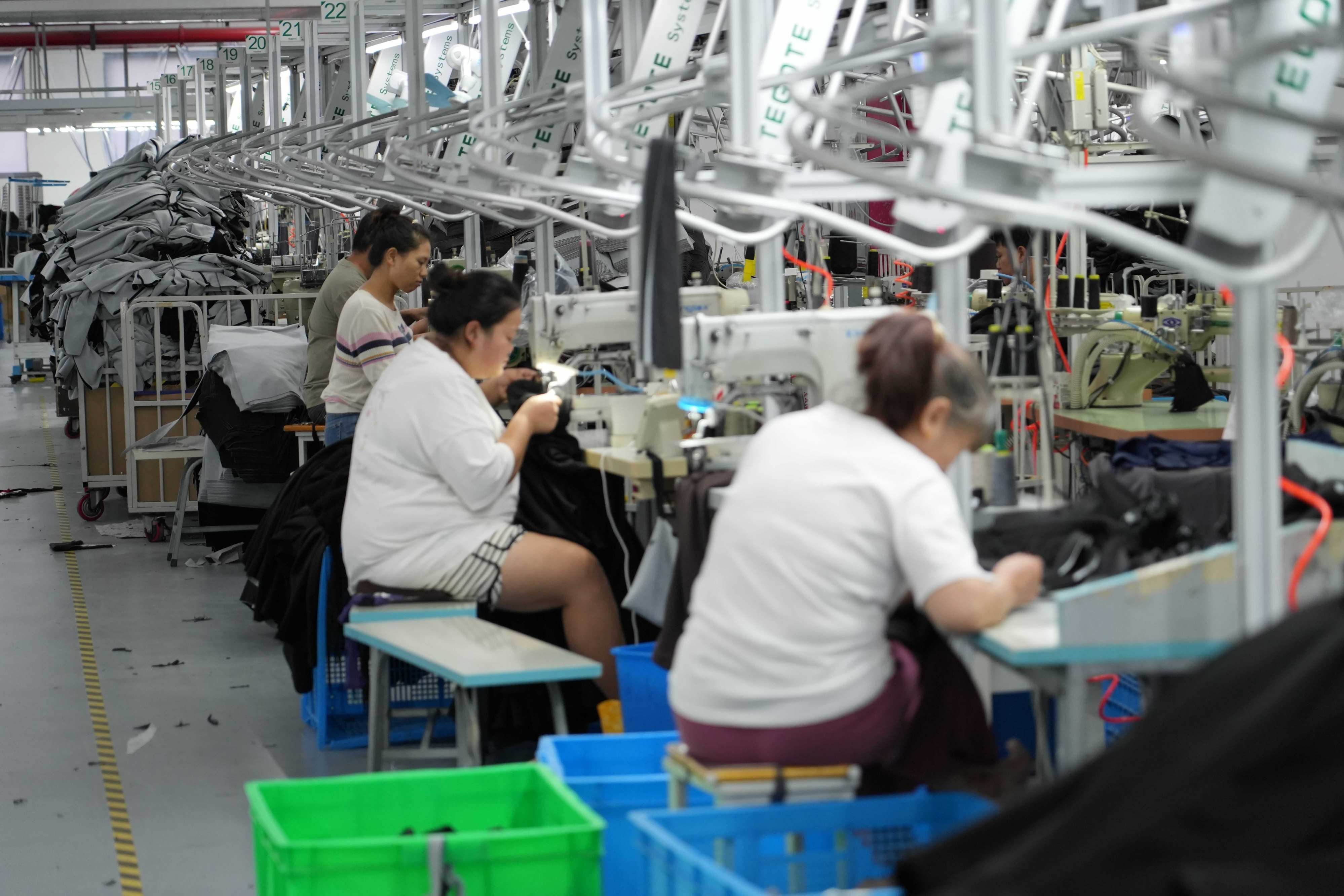
The skilled master, working in a team mode, can actually complete smaller orders even faster.
2. Mass production: Assign specific skilled workers according to the style. For example:
Exercise bra
Yoga pants
Sporty dress
One-piece suit
The manufacturing processes and structures of each product are all different.
If a group of workers make bras today, pants tomorrow, and then dresses the day after, both efficiency and stability will be affected.
Some masters have been engaged in making sports bras for a long time.
Some specialize in making yoga pants.
Some are responsible for making sportswear.
Over time, everyone became increasingly proficient in the product structure and the stitching details.
Efficiency naturally improved.

3. Production groups are divided according to customers.
In addition to the division based on product types, we have further subdivided the production teams.
The factory is currently divided into the following categories:
- Premium Group
- Responsible for handling small orders with quick response.
- Main production team
- Responsible for maintaining stable production volume
- Brand Team
- Responsible for long-term cooperative clients
- For some long-term cooperative brands, we even match relatively fixed production teams.
After a long period of adaptation, the key points emphasized by the brand, and the details that the designers care about, will all become production habits.
Because people have become familiar, and so have the products.
Final Note
Many people consider the unstable delivery times in the clothing industry to be a normal phenomenon.
But in fact, many problems are not related to production capacity, but rather to the way production is managed.
Small orders have their own logic,
and large orders have their own rhythm.
When the factory truly understands the production requirements of the brand,
the delivery schedule will naturally become stable.
Behind every stable delivery date is not luck, but a well-organized production system.
When factories truly understand the rhythm of different orders, reliability becomes possible.