Jun 26, 2026News & Insights
How to Tell If Leggings Are Squat-Proof (Complete Guide for Brands & Buyers 2026)
If you’ve ever tested leggings and thought they looked perfect — until someone squats — you’re not alone. See-through activewear is one of the top reasons customers return products . For brands, this
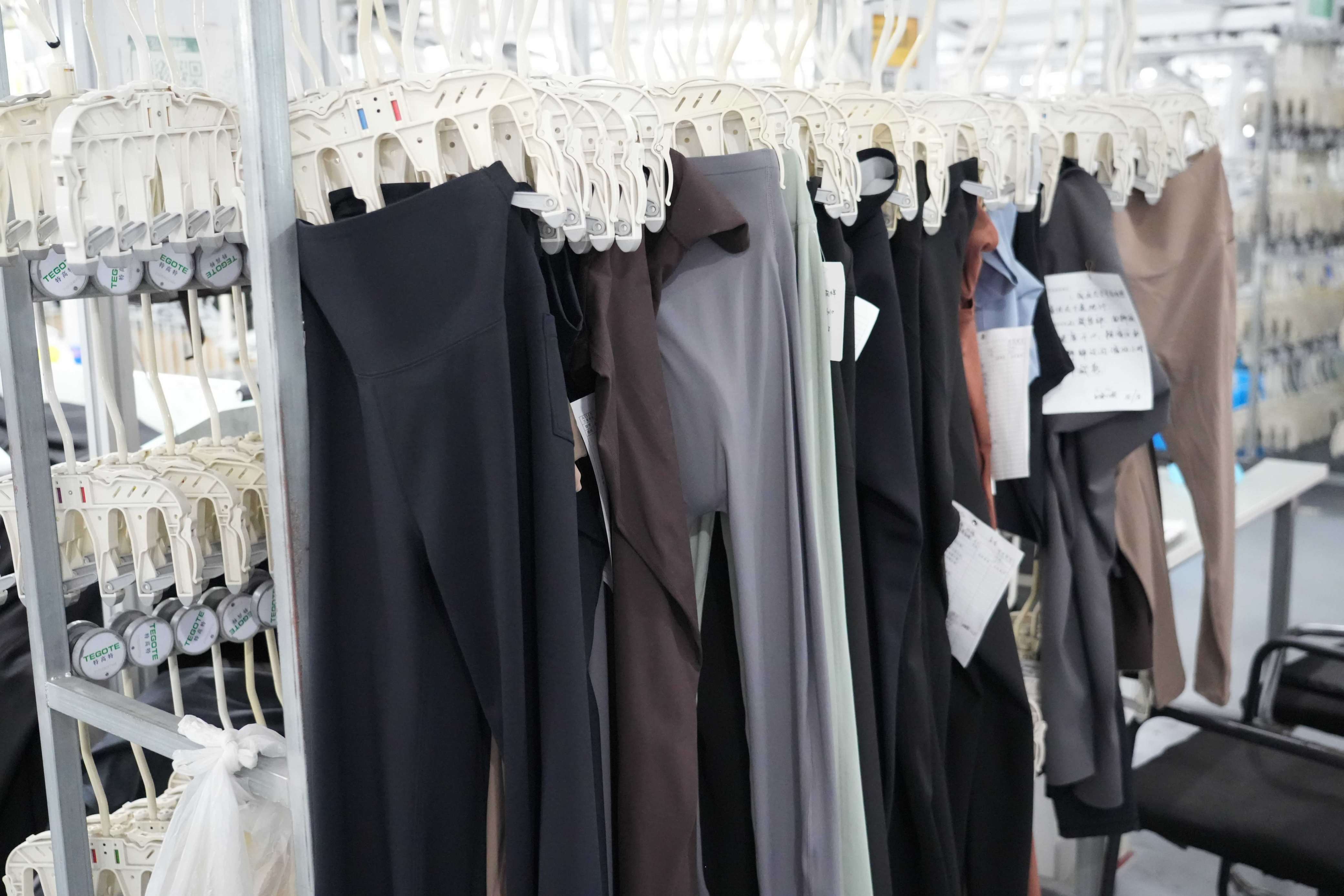
If you’ve ever tested leggings and thought they looked perfect — until someone squats — you’re not alone.
See-through activewear is one of the top reasons customers return products.
For brands, this isn’t just a quality issue.
It’s a profit killer.
In this guide, we’ll break down exactly how to tell if leggings are squat-proof — from both a consumer and manufacturer perspective.
What Does “Squat-Proof” Really Mean?
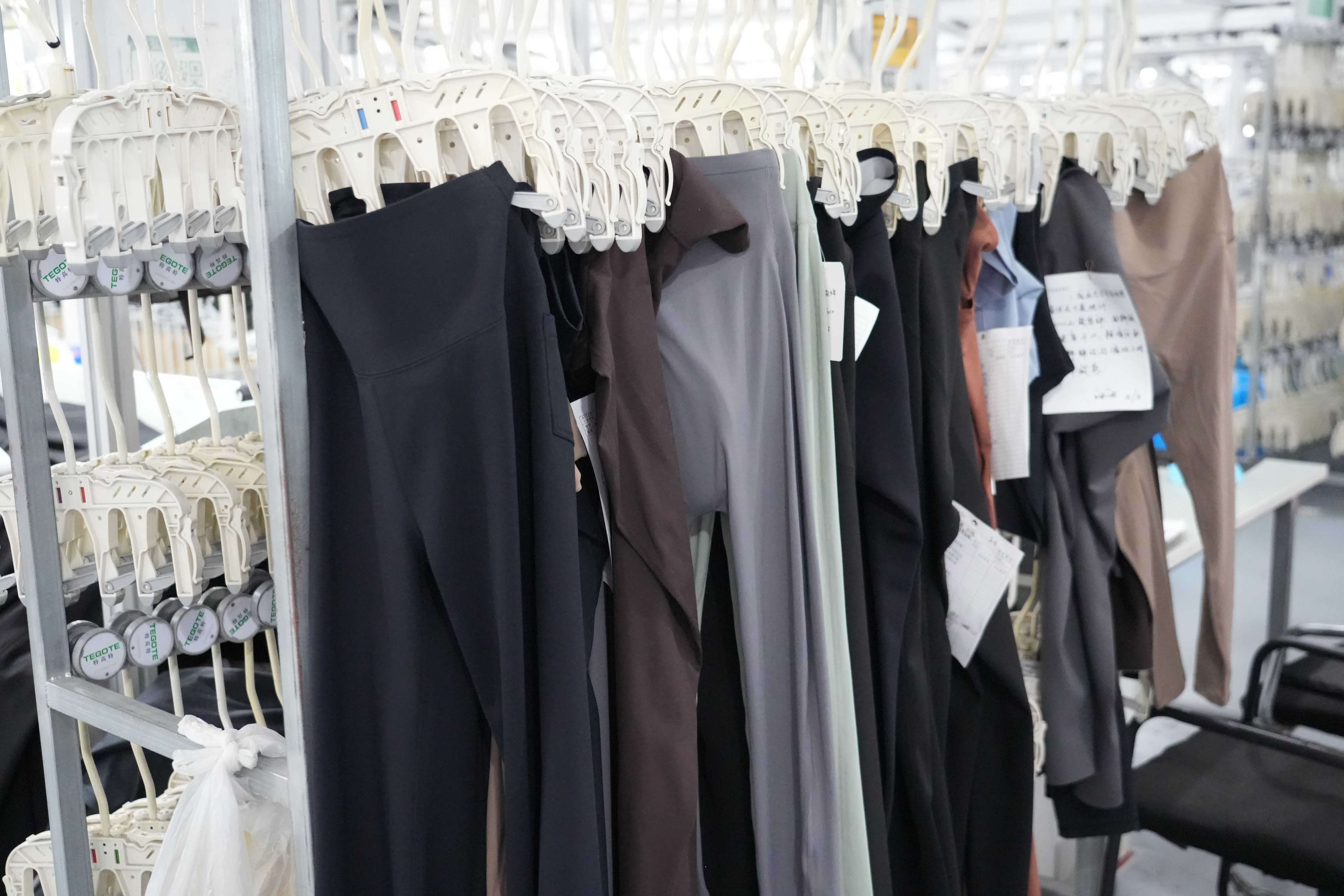
Squat-proof leggings are garments that remain opaque (not see-through) when stretched during movement — especially in squats, lunges, and bending.
It’s not just about thickness.
It’s about fabric structure, elasticity, and recovery.
Why Some Leggings Fail the Squat Test
Many brands assume:
thicker fabric = squat-proof
That’s not always true.
Here’s what actually causes failure:
1. Low Fabric Density
Loose knitting = gaps when stretched
2. Poor Elastane Quality
Weak spandex → fabric overstretches → transparency
3. Incorrect GSM Selection
Too light = see-through
Too heavy = uncomfortable
4. Dyeing & Finishing Issues
Improper finishing can reduce fabric coverage
5. Wrong Pattern Grading
If sizing is off, the fabric stretches beyond its limit
How to Test If Leggings Are Squat-Proof
✅ 1. The Stretch Test
Pull the fabric sideways.
If you see light passing through → not squat-proof
✅ 2. The Squat Test (Real Test)
Wear the leggings and squat under good lighting.
Check for:
- color fading
- fabric thinning
- transparency
✅ 3. Hand Feel Test
High-quality fabric should feel:
- dense but soft
- elastic but controlled
- not overly thin or loose
✅ 4. Recovery Test
Stretch → release
If it doesn’t return quickly → poor quality
Best Fabric Composition for Squat-Proof Leggings
From a manufacturing perspective, these blends perform best:
- 75–80% Nylon + 20–25% Spandex
- High-quality elastane (Lycra-level performance)
- Double-knit or interlock structure
👉 These provide:
✔ strong coverage
✔ controlled stretch
✔ better durability
What Brands Often Get Wrong
Most brands focus on:
- design
- color
- price
But ignore:
👉 fabric system
That leads to:
- failed samples
- bulk complaints
- high return rates
How We Solve This in Production
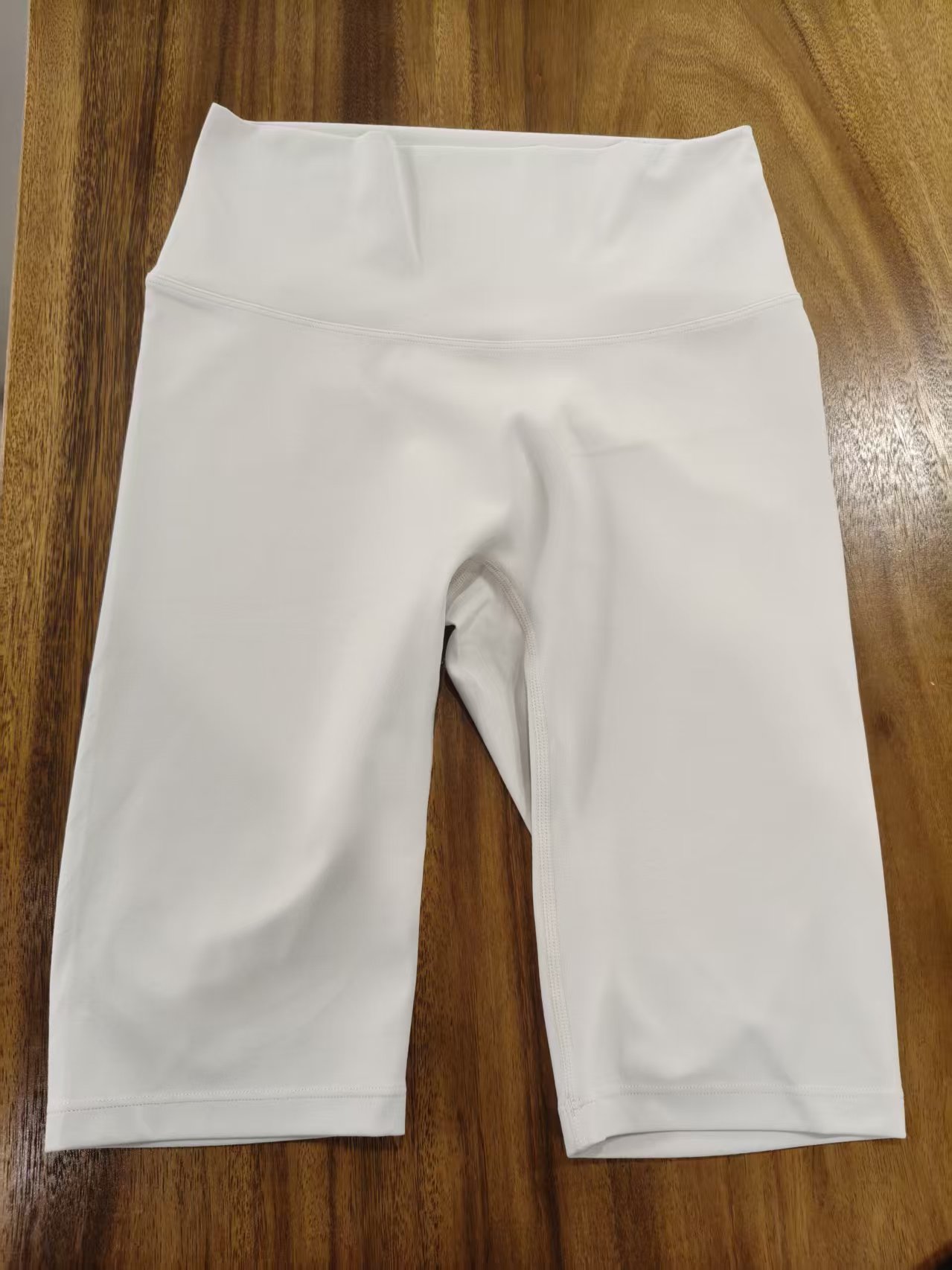
In our development process, squat-proof performance is tested before bulk production:
✔ Fabric stretch testing
✔ Opacity testing under tension
✔ Wash & recovery testing
✔ Fit validation across sizes
We don’t rely on specs alone —
we test garments in real conditions.
Cost vs Quality: The Hidden Truth
Choosing cheaper fabric may save:
👉 $1–$2 per piece
But it can cost:
- returns
- bad reviews
- lost customers
In activewear, fabric is your product.
Final Thoughts
Squat-proof leggings are not about luck.
They are the result of:
- correct fabric selection
- proper structure
- controlled production
If your leggings fail,
don’t blame the design.
👉 Check the fabric first.
Want to Avoid Costly Mistakes?
We created a checklist for brands to avoid production issues like:
- see-through fabric
- unstable sizing
- inconsistent bulk quality
📩 Reply “CHECKLIST” to get it for free