Jun 26, 2026News & Insights
Why Some Yoga Bras Last for Years — While Others Fall Apart in Months
Why the Cup Opening Is Often Ignored in Yoga Bra Production From a design perspective, the cup opening doesn’t seem to affect the overall look of a yoga bra.

Inside a Sportswear Factory: A Detail That Determines Long-Term Quality
A few days ago, I was reviewing sample garments in our workshop.
I stood next to one of our sample makers while she was finishing the cup opening of a yoga bra.
She said something that stayed with me:
“This part looks insignificant, but it’s the easiest place to wear out.”
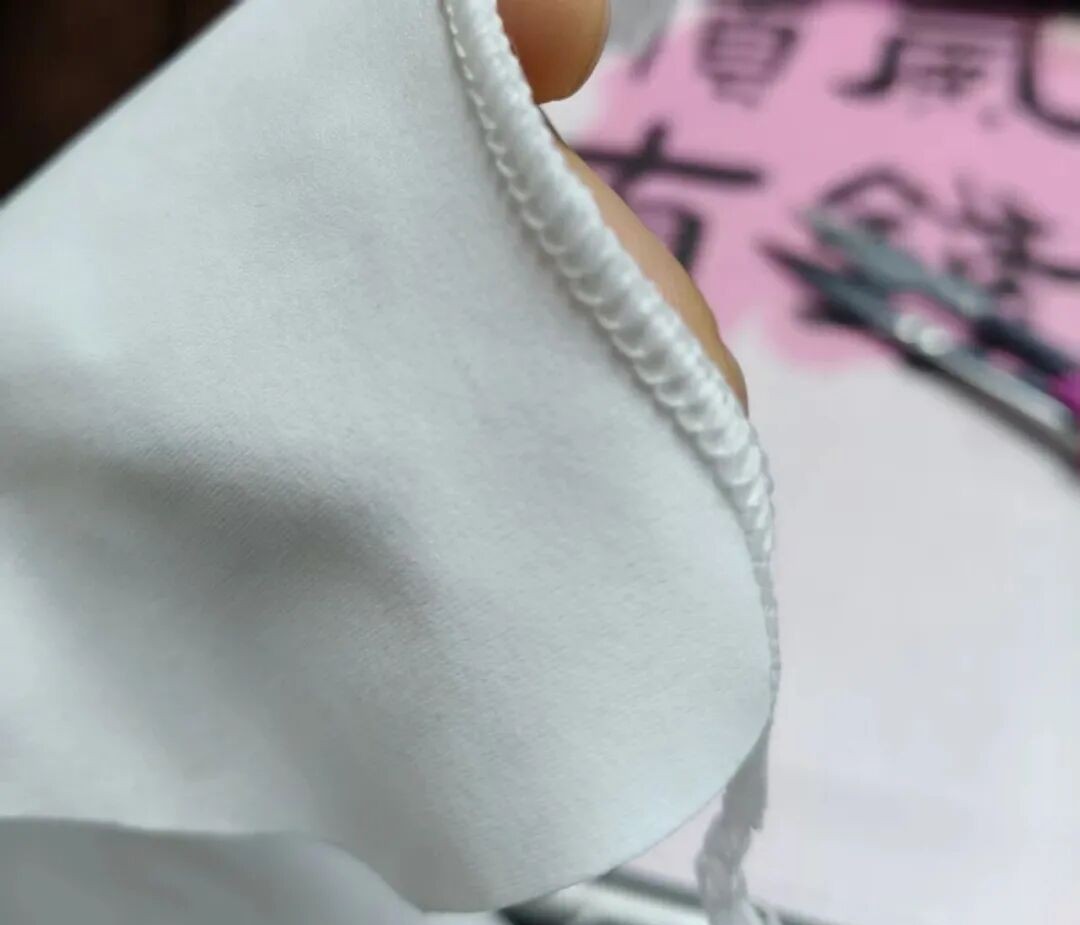
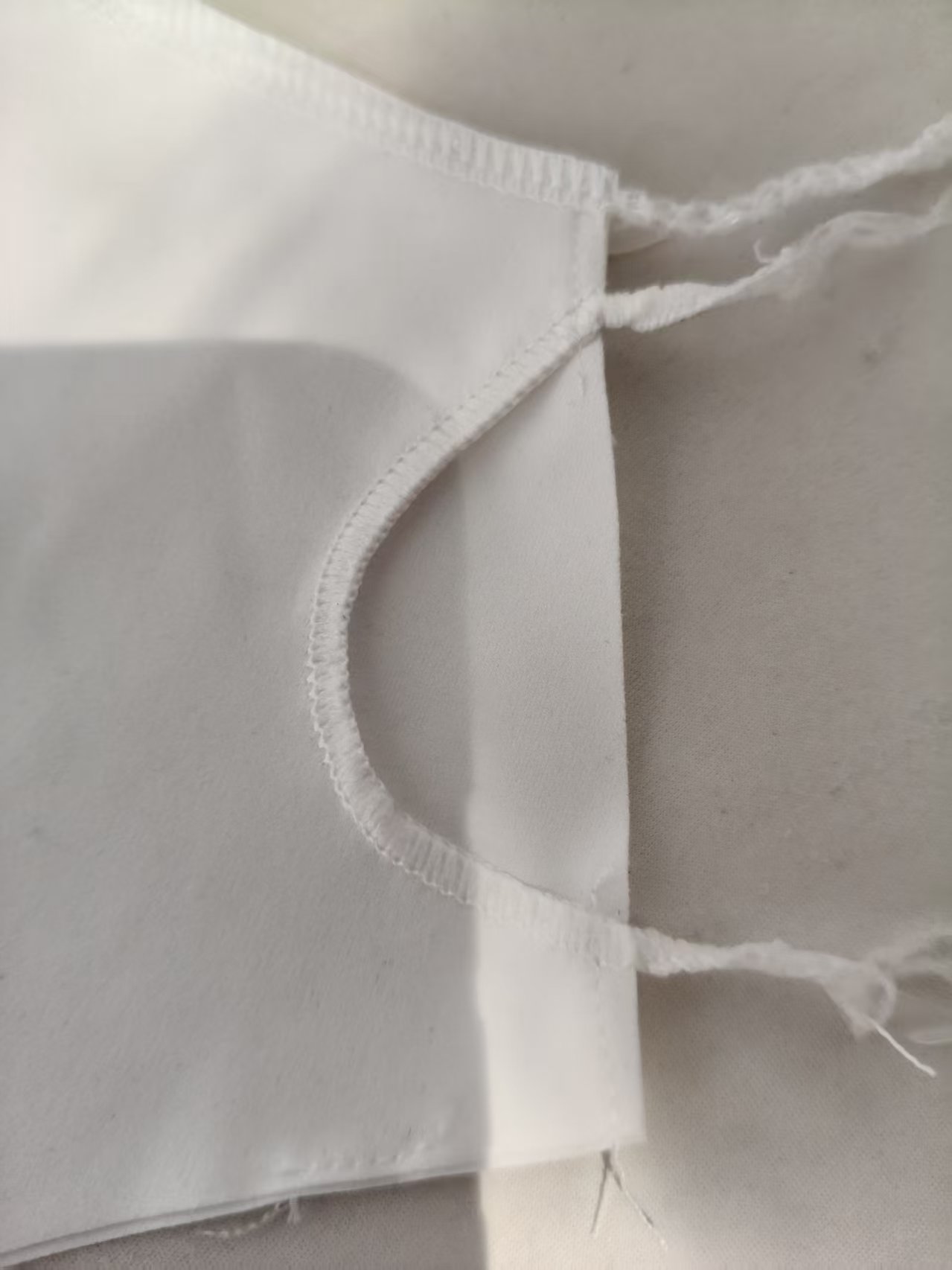
She was referring to a small but important process in activewear manufacturing — the overlock stitching on the bra cup opening.
Why the Cup Opening Is Often Ignored in Yoga Bra Production
From a design perspective, the cup opening doesn’t seem to affect the overall look of a yoga bra.
Because of that, in the market you will often see sports bras where:
- the cup opening is simply edge-locked
- minimal reinforcement is applied
- or sometimes no additional finishing is done at all
At first glance, these garments still look perfectly fine.
But skipping this step allows manufacturers to:
- reduce production steps
- shorten sewing time
- lower manufacturing costs
However, the real issues usually appear later.
Not on the first wear, but after:
- multiple washes
- months of use
- repeated stretching during workouts
What Happens When the Cup Opening Is Not Properly Reinforced
From a garment manufacturing perspective, this small detail can significantly affect product durability.
Without proper overlock reinforcement, a yoga bra may develop problems such as:
- loose edges after repeated wear
- cup shifting caused by stretch and rebound
- shape instability after washing
- reduced support during movement
Consumers may not always know the technical reason behind these issues.
But over time, they will definitely feel the difference in comfort and stability.

Why We Insist on This Extra Step in Yoga Wear Production
For us as a manufacturer, the goal is not only to make a garment that looks good on day one.
We care more about how it performs after months of wear.
When the cup opening is properly finished with overlock stitching:
- the edge sits flatter against the body
- the shape remains stable
- repeated washing causes less deformation
- the overall wearing experience feels more secure
This is a small process step, but it plays a big role in long-term garment performance.
The Real Difference Between Premium and Average Activewear
Sometimes clients ask:
“Why are your yoga wear products slightly more expensive than some others in the market?”
On the surface, the garments may look very similar.
But the real difference often comes from things that are not immediately visible:
- one additional production process
- more careful garment construction
- more time spent refining the details
Quality does not always come from using the most expensive materials.
Often, it comes from not cutting corners where it matters most.
Good Garments Are Made With the Wearer in Mind
The sample maker said something else that I completely agree with:
“Making clothes is really about thinking for the person who will wear them.”
Many garment details are difficult for consumers to describe.
But they can always feel:
- whether the garment stays comfortable
- whether it holds its shape
- whether it feels worth the price
As manufacturers, our job is simple:
Take care of these details before the customer even notices them.
Final Thoughts: Quality Is Hidden in the Details
A truly well-made yoga bra rarely impresses at first glance.
Its value is hidden in details like:
- the overlock stitching on the cup opening
- how the garment holds its shape after repeated washing
- how stable it still feels after long-term wear
These invisible details are often what separate high-quality activewear from ordinary products.
Because in garment manufacturing, the smallest details often make the biggest difference.
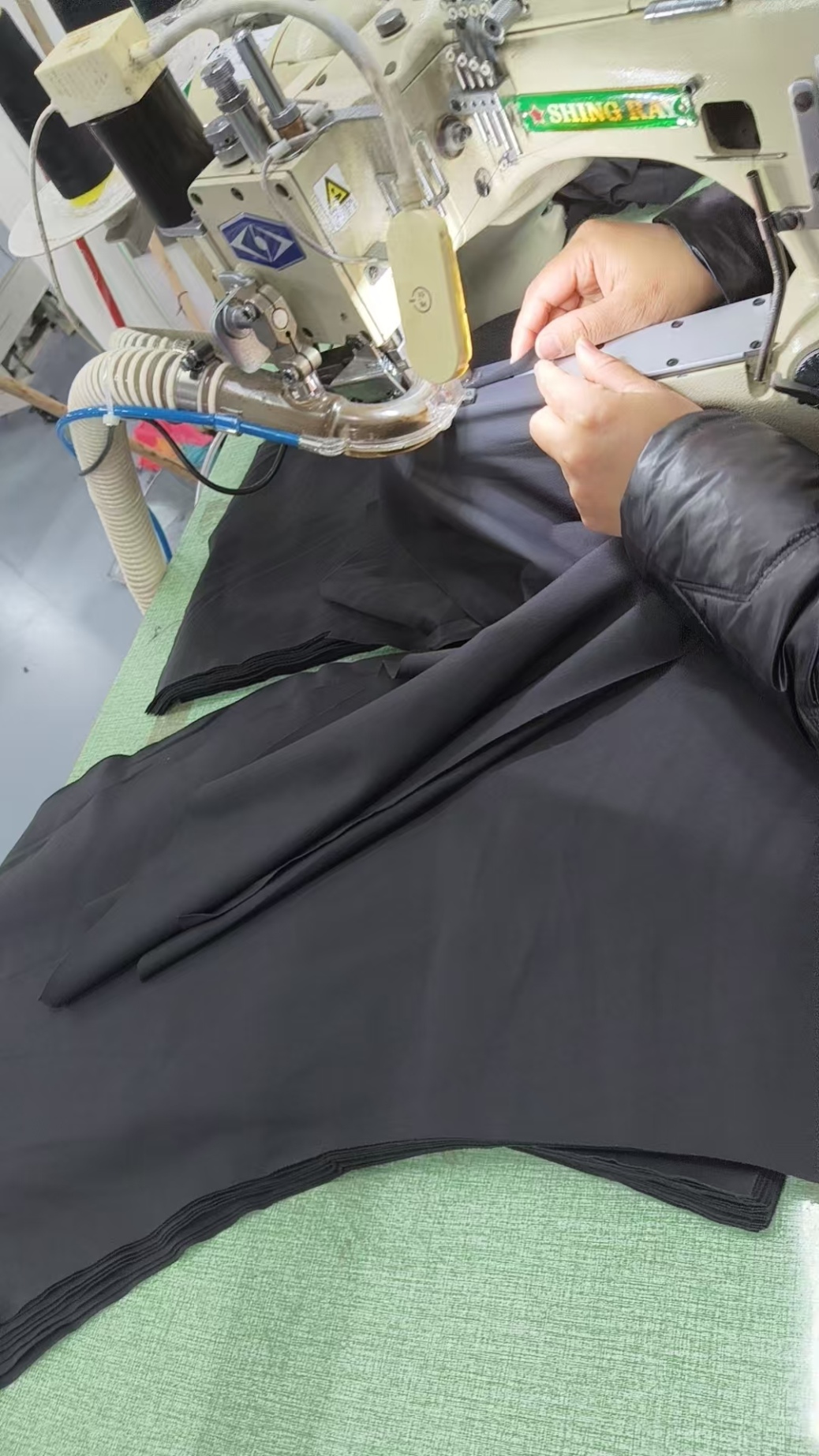
Finally, let me show you some of the works I learned from my master.
This is the edge of the bra cup. There is a line around the surface, and at the bottom there is another ring of transparent material, which serves to fix and secure the edge.