Jun 26, 2026News & Insights
How Much Thread Does a Pair of Yoga Leggings Really Use?
The Hidden Craftsmanship Behind Activewear Manufacturing
When people look at a pair of yoga leggings, they usually pay attention to the fabric, the fit, or the color.
But very few people think about one simple question:
How much thread is actually used to make a pair of yoga leggings?
Recently, we were working on a CMT (Cut, Make, Trim) order of more than 10,000 yoga leggings. The customer supplied all the materials, including sewing threads.
This gave us an interesting opportunity to look deeper into the hidden details of activewear manufacturing.
Different Sewing Processes Use Different Types of Threads
Most premium yoga leggings use the following sewing constructions:
3-Needle 5-Thread Overlock
- 3 needle threads
- 2 looper threads
This is one of the most common constructions for joining panels while maintaining elasticity and durability.
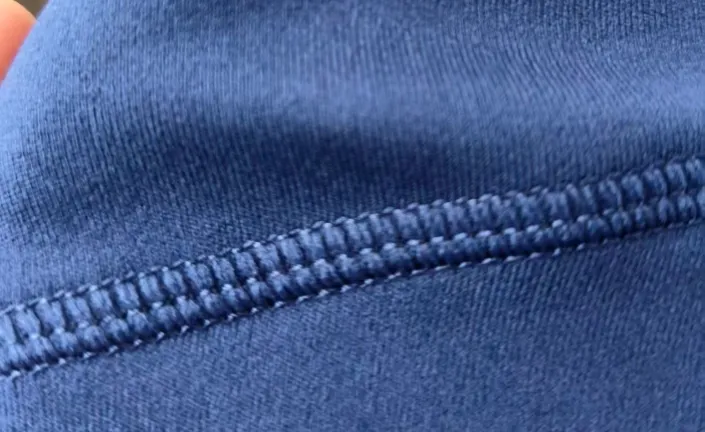
4-Needle 6-Thread Flatlock
- 4 needle threads
- 2 looper threads
Widely used in premium activewear because the seams are flatter, more comfortable, and stronger during stretching.
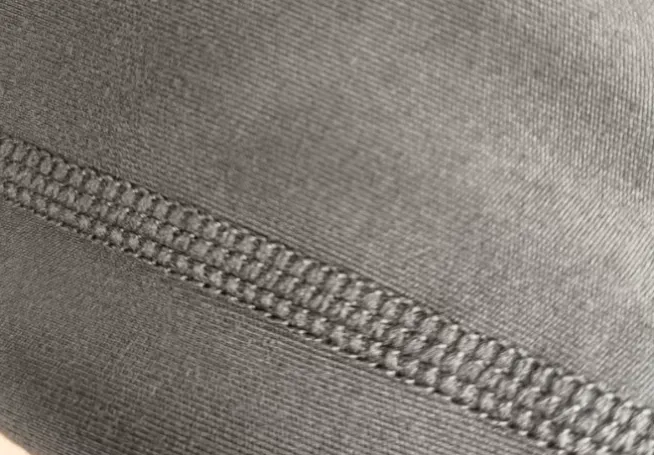
Double Needle Stitching
- 2 needle threads
- 2 looper threads
Often used for hems, waistbands, and decorative stitching.
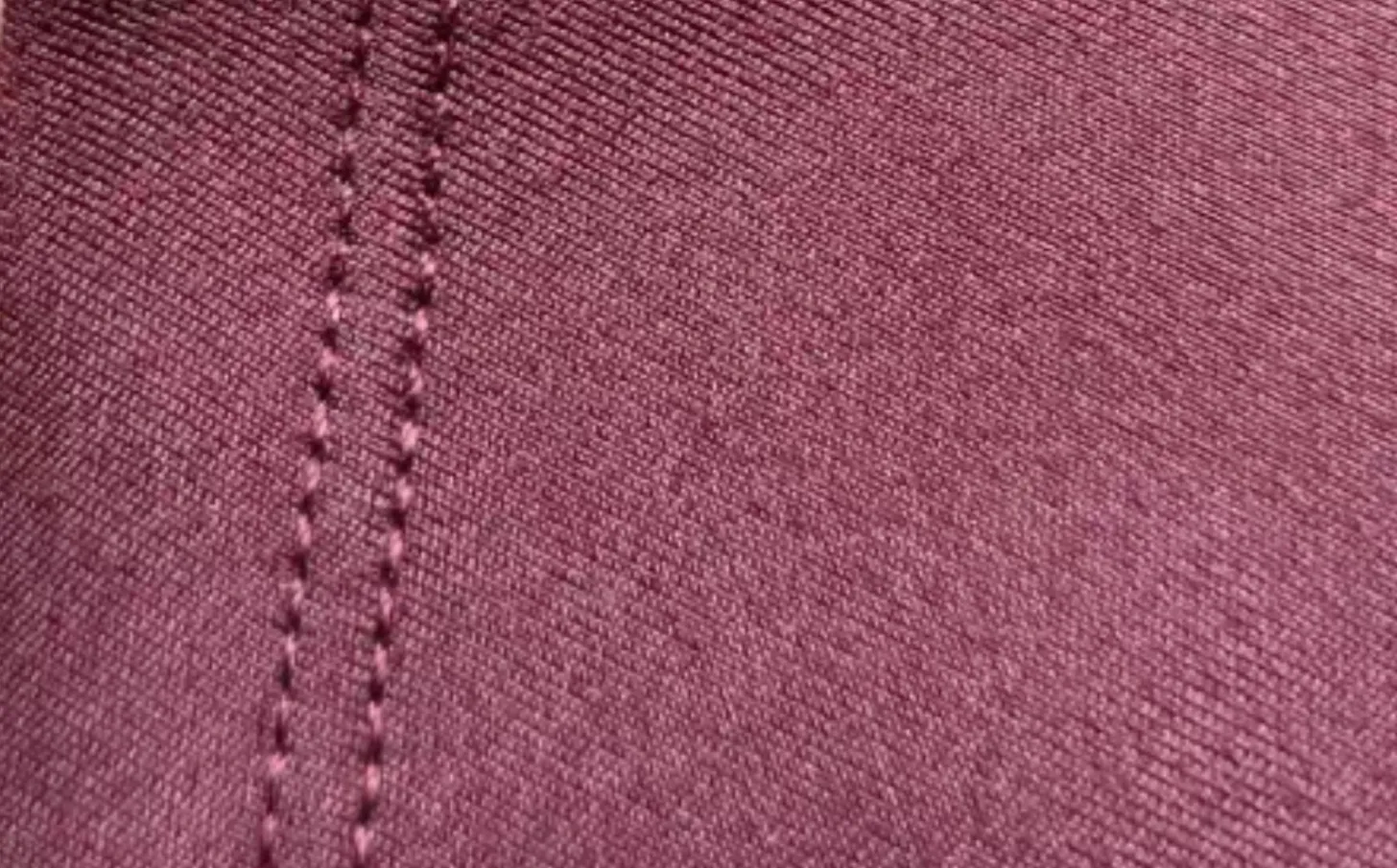
So, Which Uses More Thread?
Surprisingly, the looper thread (sometimes called serger thread) often consumes much more than many people imagine.
Because:
- Looper threads wrap around the edge of the fabric.
- They create elasticity for sports movements.
- They travel a longer path than needle threads.
- Stretch garments require higher seam elasticity.
In some sewing operations, looper thread consumption can exceed needle thread usage significantly.
This is why professional activewear factories pay close attention not only to fabric selection but also to:
✔ Thread quality
✔ Thread elasticity
✔ Seam construction
✔ Stitch density
✔ Needle compatibility
✔ Seam recovery after stretching
Why Does This Matter for Activewear Brands?
A yoga legging experiences thousands of stretching movements during its lifetime.
If the seam construction is weak:
- Seams may pop during squats.
- Thread may break after repeated wear.
- The garment may lose its shape.
- Customer satisfaction drops quickly.
That's why premium activewear isn't just about beautiful fabrics.
It's about engineering every detail—including the invisible ones.
At Mija Wear, We Believe:
The quality of activewear is not only determined by what customers can see.
It is also determined by:
- The sewing techniques behind every seam
- The stretch recovery of the thread
- The compatibility between fabric and construction
- The craftsmanship accumulated through years of manufacturing experience
Because great activewear isn't assembled.
It's engineered.
And sometimes, the smallest thread can make the biggest difference.
#YogaLeggings #ActivewearManufacturing #Sportswear #Yogawear #SewingProcess #GarmentFactory #OEM #ODM #ActivewearManufacturer #FitnessWear